Understanding Roof Flashing Failures Around Brick Chimneys
Roof leaks near a brick chimney often begin where the masonry meets the roofing. This junction needs carefully installed flashing to redirect water while allowing different materials to expand and contract. On the Sunshine Coast, heavy rain, wind-driven moisture, strong sunlight and coastal salt exposure can reveal weaknesses in these details. Understanding the warning signs helps homeowners arrange effective repairs before concealed moisture damages ceilings, insulation or roof timbers.
How Chimney Flashing Keeps Water Out
Flashing forms a weather-resistant transition between the chimney and roof. It is not simply a strip of metal covered with sealant. A reliable system uses overlapping components that shed water onto the roof surface.
On tiled or shingle roofs, stepped flashing may be integrated with the roof covering along the chimney sides. Metal roofs generally require flashings shaped to suit the roof profile. Counterflashing covers the upper edge of the base flashing and is commonly secured into a suitable joint or chase in the masonry. Behind the chimney, a back tray collects and redirects water. Some configurations also need a cricket or saddle to divert runoff around the obstruction.
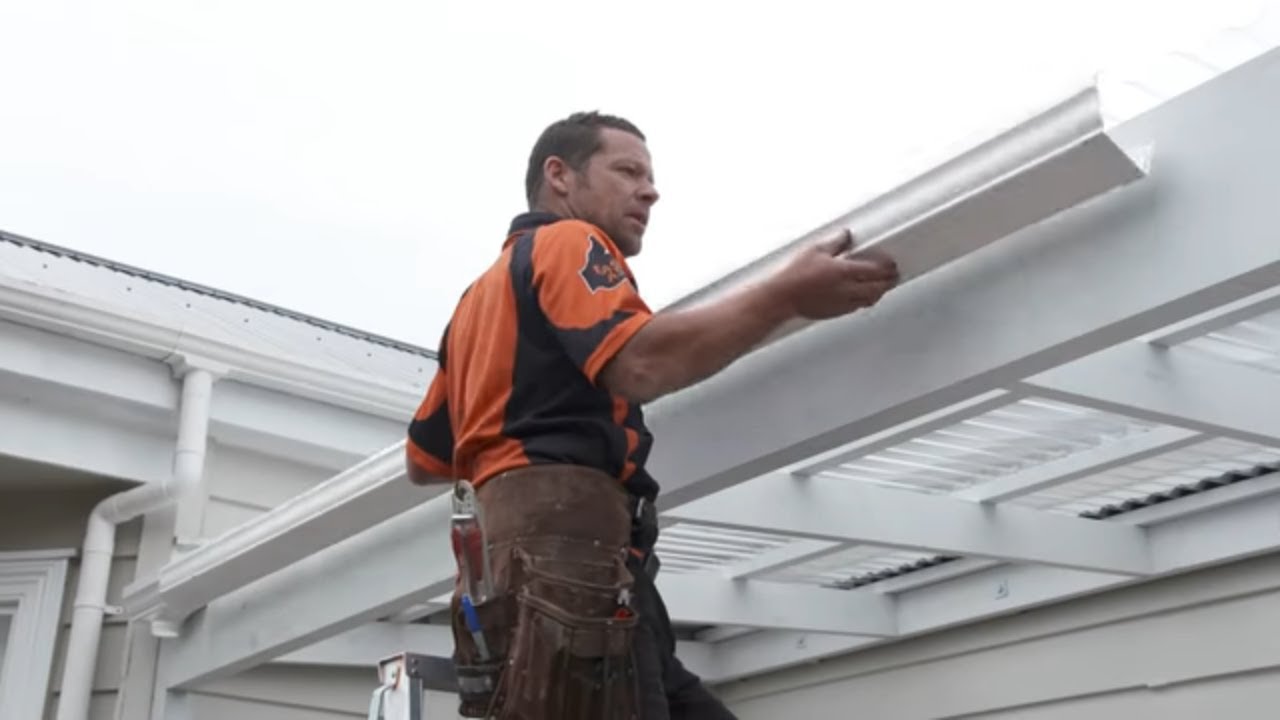
Why Flashing Fails Around Brick Chimneys
Movement Between Roofing and Masonry
Roof sheets, framing and brickwork move differently as temperatures and moisture levels change. Flashing that is rigidly fixed or poorly detailed can pull away, split or open at joints. Repeatedly applying sealant over these gaps does not correct the underlying movement problem.
Corrosion and Incompatible Materials
Salt exposure can accelerate corrosion, particularly near the coast. Trapped moisture and contact between incompatible metals can also shorten flashing life. Replacement materials, fasteners and sealants should be compatible with one another and with the existing roof, following manufacturer guidance.
Poor Drainage and Incorrect Installation
Insufficient overlaps, poorly secured counterflashing and back trays that cannot drain freely allow https://sunshinecoastroofrestoration.com.au/ water to enter beneath the roofing. Leaves and debris collecting behind a chimney can make matters worse by slowing runoff and keeping vulnerable joints wet.
Deteriorating Brickwork and Mortar
Not every chimney-area leak comes from flashing. Cracked mortar joints, damaged bricks and defects in the chimney crown or cap can admit water above the roof junction. Moisture may then travel internally and appear beside the flashing, making the source difficult to identify.
Warning Signs Homeowners Should Watch For
- Ceiling stains or damp plaster near the chimney, particularly after wind-driven rain.
- Rust marks, lifted metal edges or visible gaps around the roof junction.
- Cracked sealant or repeated patches over existing flashing.
- Loose mortar, deteriorating bricks or white salt deposits on masonry.
- Debris accumulating behind the chimney or recurring leaks after previous repairs.
Photograph indoor staining and note when it appears, including wind direction if known. This information helps a roofing professional trace intermittent leaks. Avoid climbing onto the roof yourself; wet roofing, fragile tiles and coastal winds create serious fall risks.
What an Effective Repair Should Include
A thorough inspection should assess the complete junction: roof coverings, flashing overlaps, counterflashing attachment, rear drainage and the chimney masonry above. Where necessary, a professional may use controlled water testing to help distinguish flashing leaks from masonry defects.
Minor local defects may be repairable, but extensively corroded or incorrectly installed flashing usually needs replacement. A durable repair addresses drainage and material compatibility rather than relying on exposed sealant alone. Masonry repairs may also be necessary where damaged joints or chimney tops admit water.
Ask for a written scope identifying the suspected entry point, proposed materials, any masonry work and how water will drain around the chimney. Work should follow applicable Queensland requirements, relevant Australian Standards and roofing manufacturer instructions. Confirm that the contractor holds the appropriate Queensland licence for the work.
Preventing Repeat Chimney Leaks on the Sunshine Coast
Arrange periodic professional inspections, especially after severe weather or when staining first appears. Keep nearby gutters and roof drainage paths clear, and have debris behind the chimney removed safely. Inspection frequency should reflect roof age, surrounding trees and exposure to coastal conditions.
Early diagnosis is more valuable than another surface patch. A Sunshine Coast roofing professional who checks both the flashing and brickwork can recommend a targeted repair that addresses the actual cause and helps protect your home during heavy rain.
Sunshine Coast Roof Restoration & Repair
Unit 8/13 Newspaper Pl, Maroochydore QLD 4558
(07) 4145 4576